

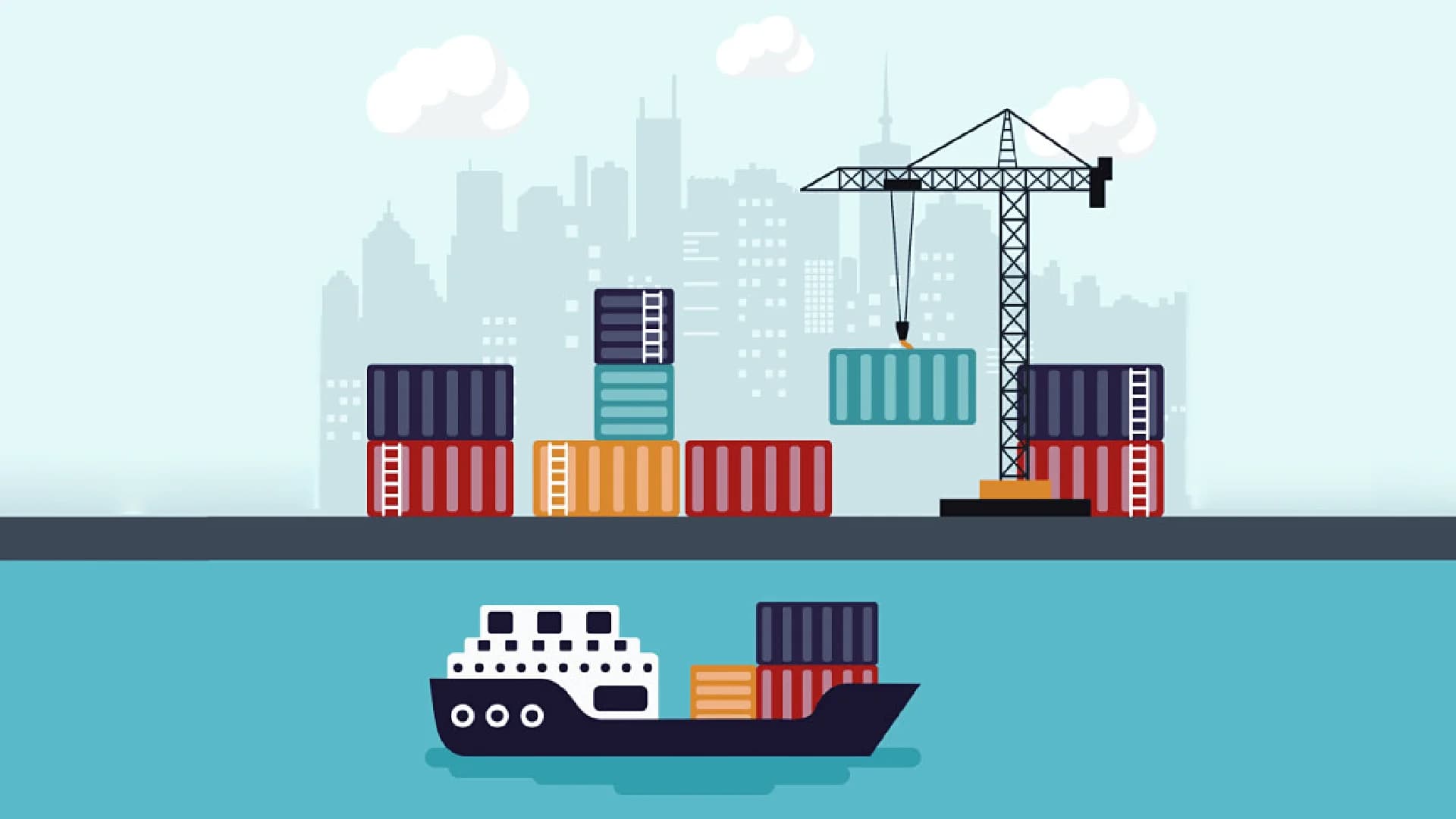
Incoterms define who pays costs and assumes risks. Use FOB for cost control with multiple suppliers, CIF for simplicity, DAP/DDP if lacking logistics support. Avoid EXW without experience. The wrong Incoterm can add 5-15% extra cost.
Incoterms are one of the most misunderstood elements in global trade—and yet they define the entire structure of responsibility, risk and cost between a buyer and a seller.
Whether you're importing from China, India or elsewhere in Asia, choosing the right Incoterm is essential for avoiding unexpected expenses, shipping delays or disputes.
This article provides a modern, practical explanation of the most used Incoterms.
Why Incoterms Matter for Importers
Incoterms define:
- Who pays for transportation
- Where risk transfers
- Who handles customs formalities
- How goods move from factory to destination
Choosing the wrong term can easily add 5–15% extra cost or create serious legal complications.
For the official ICC reference, visit:
ICC Incoterms Rules
Overview of the Most Common Incoterms
Below is a simplified explanation focused on what importers truly need to know.
EXW – Ex Works
The supplier makes the goods available at the factory.
The buyer handles everything else: loading, export clearance, freight and import procedures.
Best for advanced importers with local agents.
FOB – Free On Board
The supplier is responsible until the goods are loaded on the vessel at the port of origin.
After that, the buyer handles freight, insurance and destination logistics.
One of the most balanced and most-used terms for Asia sourcing.
📦 When using FOB, estimate your container volume with our CBM Calculator to get accurate freight quotes.
CIF – Cost, Insurance and Freight
The supplier arranges freight and insurance to the destination port.
Risk transfers once the goods are loaded on the vessel.
Suitable for importers wanting simplicity, but can hide markup in freight.
DAP – Delivered At Place
The supplier delivers to your warehouse or designated location.
The buyer handles import duties and customs clearance.
Useful for companies without logistic capacity.
DDP – Delivered Duty Paid
The supplier delivers to your door including all duties and taxes.
The easiest option—but also the most expensive and risky because the buyer loses visibility.
How to Choose the Right Incoterm
Choose FOB when:
- You want cost control
- You have a trusted freight forwarder
- You consolidate products from multiple suppliers
Choose CIF when:
- You want simplicity
- You don’t mind paying more for freight
Choose DAP / DDP when:
- You lack logistics support
- You want a turnkey operation
Avoid EXW unless:
- You have a strong sourcing partner
- You understand local export procedures
Common Mistakes Importers Make
- Confusing risk transfer with cost responsibility
- Assuming CIF freight is always cheaper
- Forgetting about destination charges
- Using the same Incoterm for all categories
- Accepting DDP without understanding tax implications

Need help selecting the right Incoterm for your imports?
Avoid risks and get better pricing with our sourcing experts.
Frequently Asked Questions
Quick answers to common questions about this topic
Incoterms define who pays for transportation, where risk transfers, who handles customs, and how goods move from factory to destination. Choosing wrong can add 5-15% extra cost.
FOB is best for cost control with multiple suppliers, CIF for simplicity if you accept higher freight markup, DAP/DDP if you lack logistics capacity. Avoid EXW without local export experience.
With FOB, the supplier is responsible until goods are loaded on the vessel—you handle freight and insurance. With CIF, the supplier arranges freight and insurance to destination port, but risk still transfers at loading.