

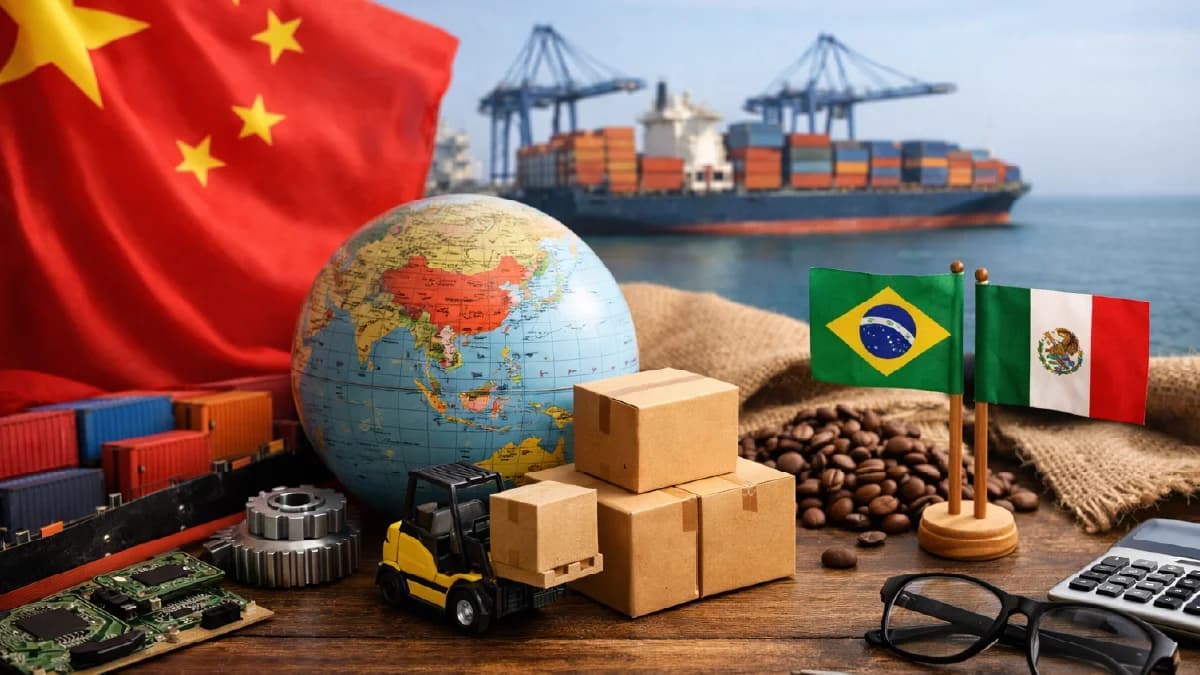
China+1 is a sourcing strategy that keeps China as the main production base while adding at least one additional country to diversify risk, improve resilience, and reduce geopolitical exposure. For Latin American companies, China+1 is about smarter sourcing—not abandoning China.
For years, many Latin American companies built their sourcing strategy around one assumption: China as the primary supplier.
It worked—until the world changed.
Tariffs, geopolitical tensions, pandemics, and logistics disruptions forced a new strategic question:
Is relying on a single country still sustainable?
That question gave rise to China+1.
1) What China+1 really means
China+1 is not a political slogan.
It’s a risk management framework.
The idea:
- Keep China as the core production hub,
- Add at least one additional country as a secondary source.
This ensures that if disruption hits China, operations don’t come to a full stop.
2) Why China+1 gained momentum
Several forces converged:
- U.S.–China trade tensions and tariffs.
- Pandemic-driven supply chain shocks.
- Rising compliance and origin scrutiny.
- The need for resilience over pure cost optimization.
Global companies now optimize for continuity, not just unit price.
3) China+1 from a LATAM perspective
Most explanations are written for multinationals.
LATAM reality is different:
- Smaller volumes.
- Tighter working capital.
- Higher logistics sensitivity.
For LATAM firms, China+1 often means targeted diversification, not full relocation.
4) Common China+1 destination countries
There is no universal “best” option—only best fit.
Typical choices include:
- Vietnam / Indonesia: light manufacturing, consumer goods.
- India: industrial goods, metals, chemicals.
- Mexico: nearshoring, speed-to-market.
- Central America: regional value-add and trade agreements.
A poorly chosen “+1” can be as damaging as no diversification at all.
5) Common mistakes LATAM companies make
Frequent pitfalls:
- Moving too fast out of China.
- Choosing countries based on hype.
- Underestimating supplier learning curves.
- Duplicating SKUs without a strategy.
- Ignoring quality control and logistics redesign.
China+1 is not a copy-paste strategy.
6) How to implement China+1 intelligently
A practical approach:
- Identify critical categories.
- Keep China while testing the alternative.
- Use the second country as backup or complement.
- Redesign QC, logistics, and contracts.
- Scale only after proven performance.
Progress beats disruption.
Conclusion: China+1 is maturity, not abandonment
China remains a global manufacturing powerhouse.
China+1 doesn’t mean walking away—it means building balance.
For Latin American companies, the winners will be those who treat sourcing as strategy, not reaction.
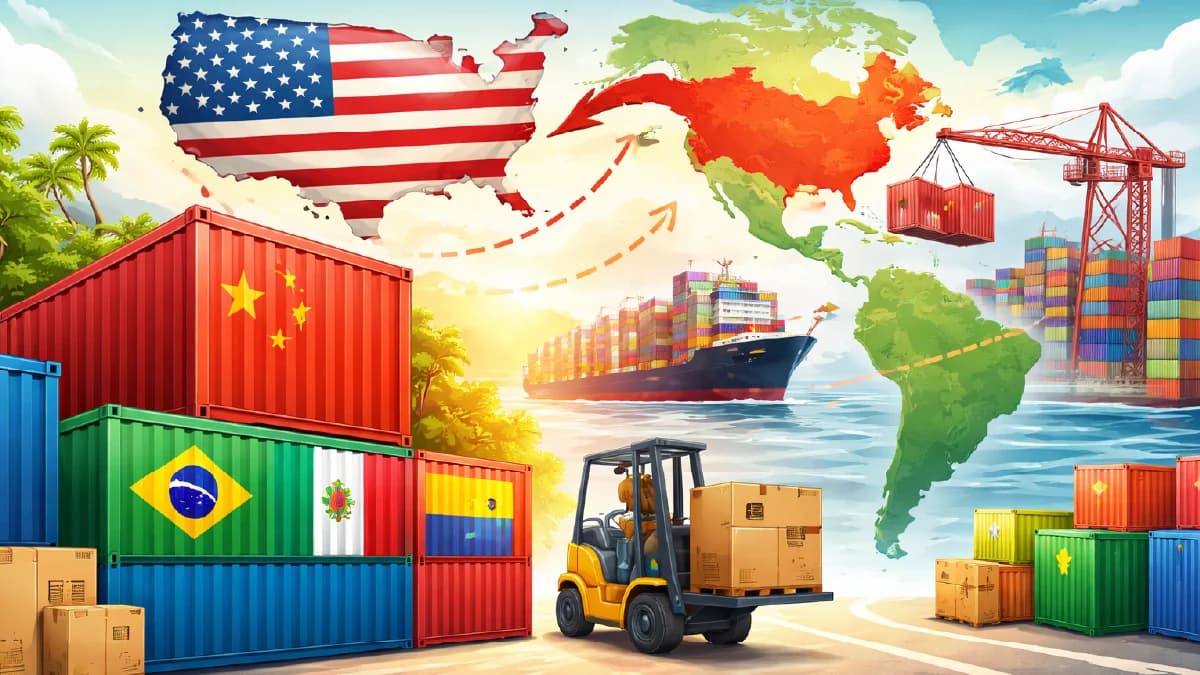
Interested in designing a China+1 sourcing strategy?
Avoid risks and get better pricing with our sourcing experts.
Frequently Asked Questions
Quick answers to common questions about this topic
No. China+1 aims to reduce overdependence by adding alternative suppliers, not replacing China entirely.
Vietnam, India, Indonesia, Mexico, and parts of Central America are common options depending on industry and market.
Yes—when implemented gradually and strategically, rather than as a rushed or reactive decision.