

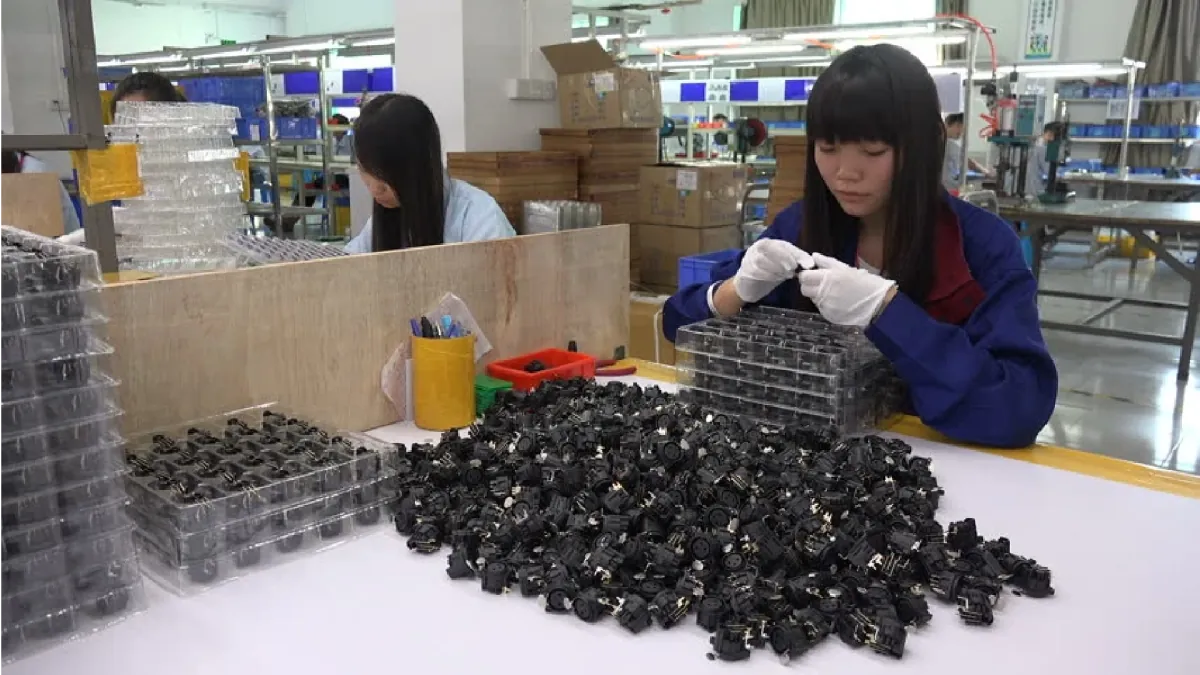
Quality inspections are essential because: distance creates information gaps, they protect your brand reputation, and the cost of not inspecting is usually higher. Key types: pre-production (PPI), during production (DUPRO), and pre-shipment (PSI).
Many companies only realize the importance of quality inspections after a problem has already reached their warehouse, store shelves, or end customer.
A product that looked perfect in photos and samples, ordered with urgency and great expectations, arrives with poor finishes, assembly issues, or packaging that doesn’t match your standards. At that point, the container is already in your country. Every option is expensive: rework, discounts, or returns.
Quality inspections exist to prevent exactly that moment.
In this article, we’ll explore why inspections in China and other Asian manufacturing centers are not a “nice to have”, but a critical part of any serious sourcing strategy.
What a Quality Inspection Really Is (and Is Not)
A quality inspection is not just a quick visit to “see if everything looks fine”.
It is a structured process to verify that:
- Products match approved samples and specifications
- Packaging and labeling follow agreed requirements
- Quantities, assortment, and colors are accurate
- Critical functions and safety aspects are tested
Professional inspectors use sampling methods such as AQL (Acceptable Quality Limit) and follow checklists aligned with your product and market.
Global companies like
SGS
offer independent inspection and testing services, but inspections can also be coordinated through a sourcing partner that understands both the factory reality and your retail or distribution needs.
Why Inspections Are Non-Negotiable for Serious Importers
There are three main reasons why skipping inspections is a mistake:
1. Distance and information gaps
When you buy from a local supplier, it’s relatively easy to visit the facility, understand the process, or discuss improvements in person. In China or elsewhere in Asia, distance, language, and time zones make it harder to see what is really happening on the production floor.
Inspections help close that gap by putting qualified eyes inside the factory at the most critical moments.
2. Protecting your brand and customer experience
Your customer doesn’t care if the problem started “in the factory in China”. They see your brand, your label, and your promise.
A single shipment with visible defects can:
- Damage your reputation
- Increase returns and complaints
- Force markdowns and margin losses
Inspections act as a filter, ensuring that only products that meet your standards leave the factory.
3. The cost of not inspecting is usually higher
An inspection typically represents a small fraction of the total shipment value. In return, it can prevent:
- Entire containers of unsellable or problematic merchandise
- Hidden issues that only appear once the product is in use
- Long negotiations and disputes with suppliers
From a risk–return perspective, inspections are one of the most efficient tools you can implement.
Key Types of Inspections Along the Production Timeline
Not all inspections are the same. Depending on your product and risk level, you may need one or more of the following:
1. Pre-production inspection (PPI)
Performed before mass production starts, to verify:
- Raw materials and components
- Production plan and capacity
- Potential risks in assembly or finishing
Useful when working with a new factory or complex products.
2. During production inspection (DUPRO)
Carried out when a certain percentage of the order (usually 20–60%) is already produced.
It allows you to:
- Detect issues early, before they affect the whole batch
- Adjust processes, finishing or assembly steps
- Validate that corrective actions are implemented in real time
3. Pre-shipment inspection (PSI)
Done when production is finished and at least 80% of goods are packed.
This is the last opportunity to:
- Confirm quantities, assortment and colors
- Check packaging, barcodes and labels
- Verify overall product quality and critical functions
In many cases, the PSI is the minimum inspection that every shipment should have.
Who Should Perform the Inspection?
You have three main options:
-
Third-party inspection companies
Independent firms with standardized procedures and coverage in multiple cities. -
Your sourcing partner in China
A partner who knows your assortment, your margin expectations and your retail reality can design inspections tailored to your business, not just generic checklists. -
Internal teams (for larger importers)
Some large groups maintain their own staff in China, but this requires scale and long-term commitment.
For most small and mid-sized companies in Latin America and North America, a mix of third-party inspectors + a trusted sourcing partner is usually the most efficient configuration.
Inspections as Part of Your Sourcing Strategy
Treating inspections as an additional cost to be “saved” is a short-term view.
Instead, they should be integrated into your sourcing and procurement strategy as:
- A standard requirement on POs for certain categories
- A condition before final payment or document release
- A tool to track factory performance over time
The goal is not to “find problems”, but to control variability, protect your landed margin, and build a reliable supply base.
Looking for reliable inspections and follow-up in China?
Avoid risks and get better pricing with our sourcing experts.
Frequently Asked Questions
Quick answers to common questions about this topic
Three main types: Pre-production inspection (PPI) before mass production, During production (DUPRO) at 20-60% completion, and Pre-shipment inspection (PSI) when 80%+ is packed—the minimum every shipment should have.
Distance creates information gaps, your brand reputation depends on product quality, and the cost of not inspecting (unsellable merchandise, rework, disputes) is usually far higher than inspection fees.
Options include third-party companies (like SGS), your sourcing partner who understands your retail needs, or internal teams for large importers. Most companies benefit from a mix of third-party inspectors plus a trusted sourcing partner.