

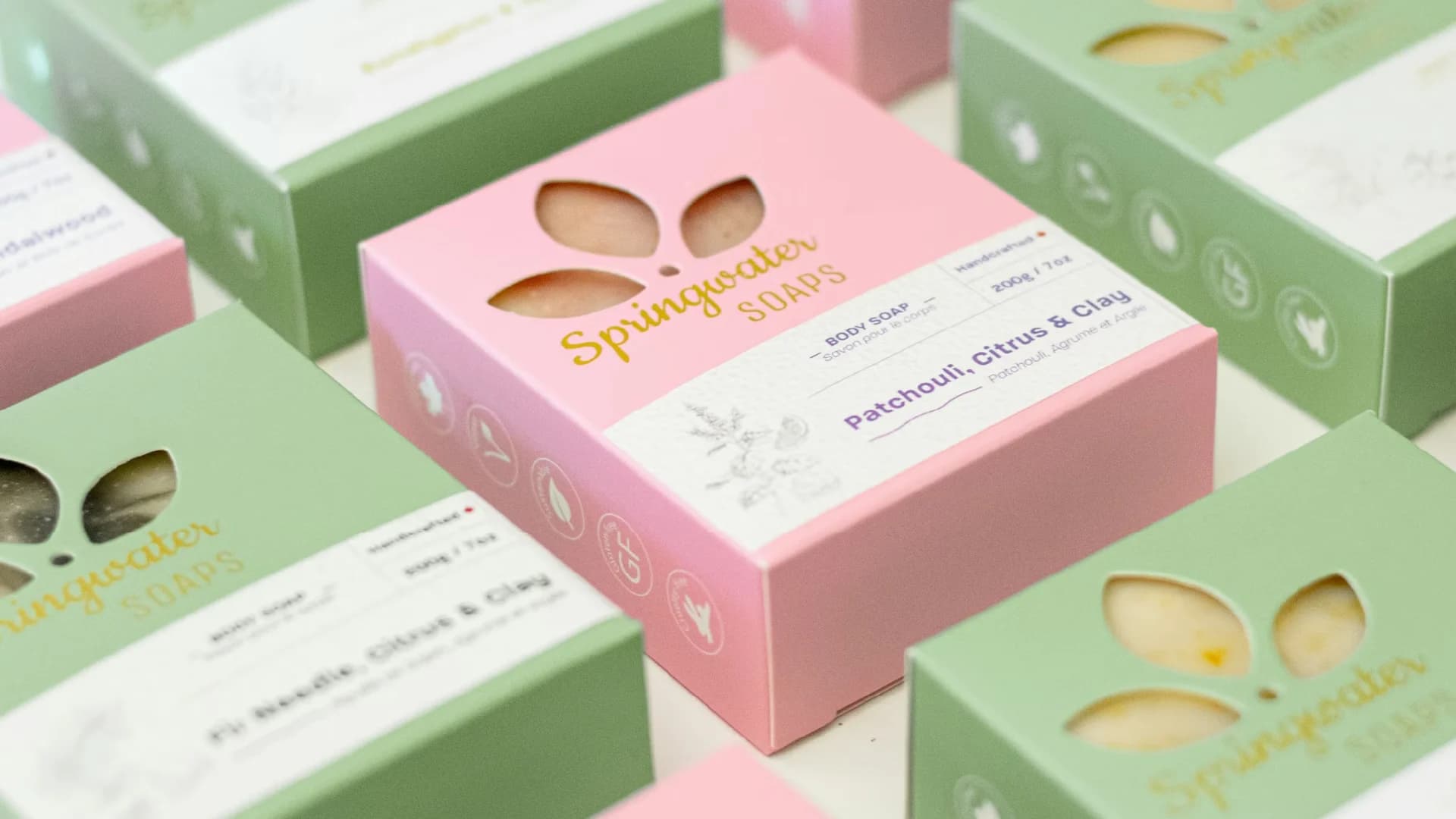
Private label lets you sell products manufactured by third parties under your own brand. Key steps: define your positioning, choose a proven base product, set quality specifications, design brand and packaging, understand MOQ requirements, and approve samples before production.
Private label is one of the most powerful tools for retailers, distributors and brands in Latin America and beyond. Instead of selling the same products that everyone else imports, you build your own line, with your logo, your packaging and your positioning.
The good news: you don’t need to own a factory to do it.
The challenge: you do need structure, clarity and the right partners.
This guide is designed for companies that are considering private label for the first time, or that have tested it with mixed results and want a more professional approach.
What is Private Label (and How Is It Different from OEM and ODM)?
In simple terms:
- Private Label: a product manufactured by a factory, but sold under your own brand. The product may be standard or slightly customized, but the brand, packaging and positioning are yours.
- OEM (Original Equipment Manufacturer): the factory produces according to your specifications or another brand’s design. Often used in electronics, automotive and technical products.
- ODM (Original Design Manufacturer): the factory provides the product design, and you add your brand with minor changes.
In practice, private label often combines elements of OEM and ODM. The key is that you control the brand and how the product appears in front of the customer.
Why Private Label is So Attractive for Retailers and Distributors
For companies in Mexico, Central America and the wider region, private label brings several advantages:
- Better margins compared to well-known international brands
- The ability to differentiate your assortment from competitors
- Stronger loyalty: customers remember your brand, not just the category
- Freedom to adjust quality, features and packaging to your market
Well-built private label programs turn sourcing from a cost center into a strategic pillar of the business.
The Core Steps of a Private Label Project
1. Define your market and positioning
Before opening any catalog, clarify:
- Who is the target customer?
- Is the product basic, good, better or premium?
- What price level and margin do you need in your country?
A clear positioning avoids products that “float in the middle” with no identity.
2. Choose the right base product
You don’t need to invent something completely new. In many cases, the best option is:
- A proven product type in your market
- With stable demand
- That you can improve in details: finish, accessories, packaging, warranty
A sourcing partner that knows factories in China and the rest of Asia can help identify SKUs that already have good performance and adapt them to your needs.
3. Work on specifications and quality level
Once the base product is selected, you must define:
- Materials, thickness, finishes, colors
- Functional requirements (pressure, load, temperature, etc.)
- Applicable standards or certifications
Having a clear product specification sheet is essential. Later, inspections will compare production against this document.
4. Design brand and packaging
Private label lives in the combination of product + brand + packaging.
Your packaging should communicate:
- Segment (basic vs. premium)
- Benefits in language your customer understands
- Visual consistency across the category or line
If you don’t have an internal design team, working with an external studio aligned with your strategy is usually a good investment.
5. Understand MOQ and cost structure
Private label almost always requires higher minimum order quantities (MOQ) than buying generic product.
Factories must:
- Print your packaging
- Prepare dedicated molds, plates or tooling in some cases
- Set up production for your specific variant
This means you must balance: volume, cash flow, storage capacity and rotation.
We explain MOQ in depth in a separate article.
6. Sampling, testing and approvals
Never launch a private label product based only on photos.
You should:
- Receive pre-production samples
- Test them internally or with selected customers
- Validate packaging (print quality, text, codes, barcodes)
- Approve a “golden sample” as reference for all future productions
Common Mistakes in First Private Label Projects
Some of the most frequent issues we see are:
- Choosing a product only because the FOB looks cheap
- Overestimating market size and ordering too much at first
- Underestimating packaging time and artwork approvals
- Not planning inspections before shipment
- Launching with weak or confusing branding
Private label is not just “putting your logo on a box”. Done right, it becomes an asset that grows in value. Done wrong, it becomes slow inventory and reduced margins.
When Does It Make Sense to Work with a Sourcing Partner?
A sourcing partner based in Asia can help you:
- Translate your commercial strategy into real SKUs
- Select factories that can support your quality and packaging requirements
- Coordinate samples, artwork approvals and packaging details
- Supervise production and inspections before shipment
- Plan future extensions of the line across new categories or price points
For many companies in Latin America, this is the difference between a one-time private label attempt and a scalable, multi-category brand program.
Thinking about launching or expanding your private label?
Avoid risks and get better pricing with our sourcing experts.
Frequently Asked Questions
Quick answers to common questions about this topic
Private label is when a factory produces a product that you sell under your own brand. You control the brand, packaging, and positioning while the manufacturer handles production.
OEM (Original Equipment Manufacturer) produces to your specifications. ODM (Original Design Manufacturer) provides the product design you rebrand. Private label typically combines elements of both.
Define your target market and positioning, choose a proven base product, create detailed specifications, design your brand and packaging, understand MOQ requirements, and always approve samples before production.