

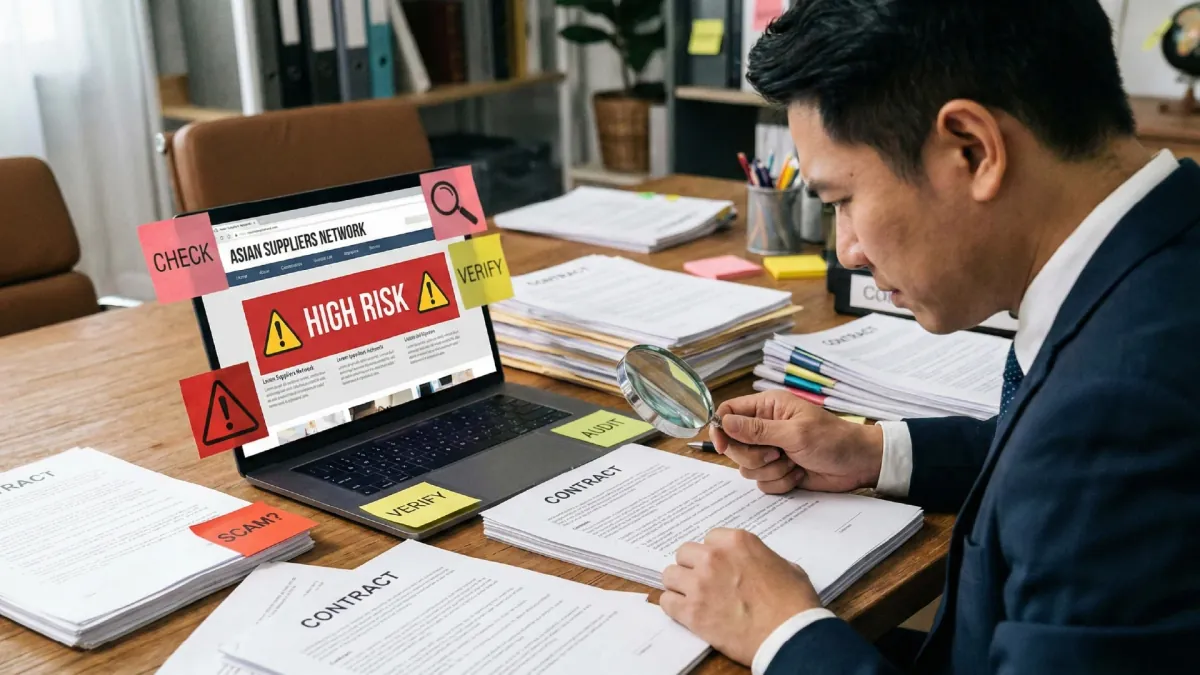
To avoid sourcing scams from China: verify supplier business licenses, use staged payments (never 100% upfront), request independent inspections, watch for red flags like pressure tactics or inconsistent documentation, and work with a sourcing partner who validates factories on-site.
Most companies don’t start sourcing in China expecting to face scams. Problems appear later: a supplier that disappears after a deposit, goods that never match the agreed quality, or factories that turn out to be just an office with no production capacity.
The good news is that many of these situations are predictable—and avoidable—if you apply a structured approach from the beginning.
This article focuses on practical risk control, not fear. The goal is not to avoid China or Asia, but to work smarter and protect your company when dealing with new suppliers.
The Most Common Ways Things Go Wrong
Not every problem is a “scam”. Sometimes it’s incompetence, miscommunication or lack of structure. But from the buyer’s point of view, the result can be very similar: lost money, delays and damaged reputation.
Some of the most common risk scenarios:
- A trader pretending to be a factory, with no real control over production
- Factories that overpromise capacity and then outsource everything
- Suppliers pushing you to send deposits quickly via risky methods
- Samples of good quality, but mass production with cheaper materials
- Last-minute changes to payment terms or shipping conditions
The objective is to identify patterns of behavior that indicate risk before you commit significant money.
Red Flags to Watch Before Sending Money
Here are signs that should trigger deeper verification or even a pause:
- Email addresses that don’t match the company domain or use only free services
- Inconsistent information between website, catalog and business documents
- Unwillingness to provide basic documentation (business license, bank info on official letterhead)
- Pressure for urgent decisions: “price will increase in 24 hours”, “book now or lose production slot”
- Refusal to allow third-party inspections or factory visits
If a supplier reacts defensively when you ask standard questions, that is a warning sign in itself.
Verifying Suppliers: Go Beyond the Catalog
Some basic steps to reduce risk:
- Check the company registration. Ask for their business license and verify details such as company name, registration number and address.
- Use established platforms. Marketplaces like
Alibaba
orGlobal Sources
offer some level of verification and history. - Ask for references in your region. A serious supplier is usually proud to mention other clients (sometimes anonymously, sometimes by name if permitted).
- Request factory photos or video calls. Even a basic video tour can reveal a lot about how real the operation is.
A sourcing partner in China can validate these items on-site and confirm whether the factory behind the emails actually exists and produces what it claims.
Safer Payment Approaches
Payment terms can’t eliminate all risk, but they can limit your exposure.
Some principles:
- Avoid paying 100% upfront to a new supplier.
- Use staged payments (for example: deposit + balance after pre-shipment inspection).
- When possible, use secure methods like letter of credit for higher-value deals, or at least structured bank transfers to the company’s registered account—not to personal accounts.
- If you use platform protections (like escrow or trade assurance systems), read the conditions and understand what is really covered.
Cheap payment shortcuts are rarely cheap when something goes wrong.
Quality and Compliance Issues That Feel Like a Scam
Not all risks are financial. Sometimes the “scam” is a product that:
- Does not meet basic safety or performance requirements
- Uses substandard materials compared to the approved sample
- Lacks required lab tests or certifications for your market
From the buyer’s perspective, this can be as damaging as a direct fraud.
That’s why quality inspections and, when applicable, lab testing are essential layers of protection.
Independent organizations like
SGS
offer testing and inspection services that can be integrated into your purchasing process.
How a Sourcing Partner Helps Reduce Risk
A sourcing partner based in China or Asia does not eliminate all risk—but can significantly reduce it:
- Pre-selecting factories that have been physically visited and audited
- Verifying documentation and consistency between what is promised and what is possible
- Coordinating inspections and reporting issues before shipment
- Helping you negotiate realistic terms instead of accepting everything the factory proposes
For companies in Latin America and North America, this external layer of expertise often becomes the difference between a healthy sourcing program and a cycle of “trial and error” that burns time and cash.
Final Thoughts: Don’t Avoid Sourcing, Avoid Blind Sourcing
Sourcing from China and Asia can be extremely positive for your business—if you combine opportunity with discipline.
Instead of relying only on catalogs and emails:
- Verify
- Ask for evidence
- Structure your payments
- Integrate inspections and compliance into your standard process
The goal is not to distrust everyone, but to trust with a method.
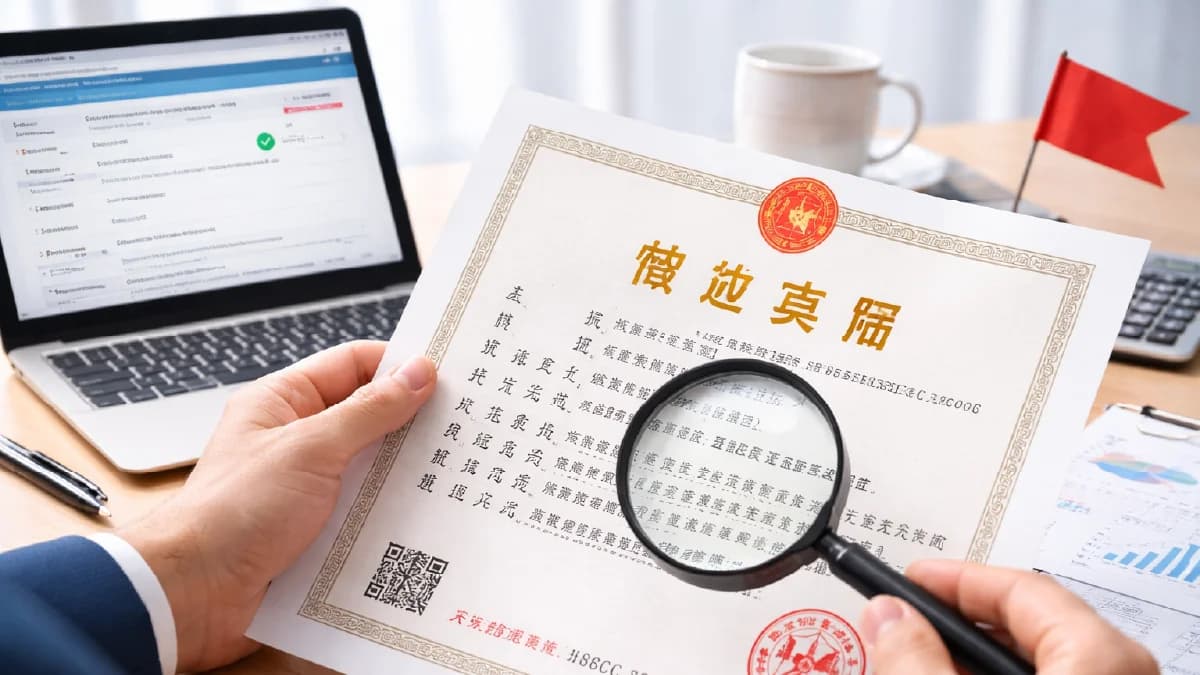
Need help verifying suppliers or structuring safer imports?
Avoid risks and get better pricing with our sourcing experts.
Frequently Asked Questions
Quick answers to common questions about this topic
Key red flags include: pressure for urgent payments, email addresses that don't match company domains, refusal to provide business licenses, inconsistent documentation, and unwillingness to allow factory inspections.
Check their business license, use verified platforms like Alibaba or Global Sources, request factory photos or video calls, ask for client references, and consider working with a sourcing partner who can visit on-site.
Avoid paying 100% upfront. Use staged payments (deposit + balance after inspection), secure methods like letters of credit for large orders, and always pay to company accounts—never personal accounts.