

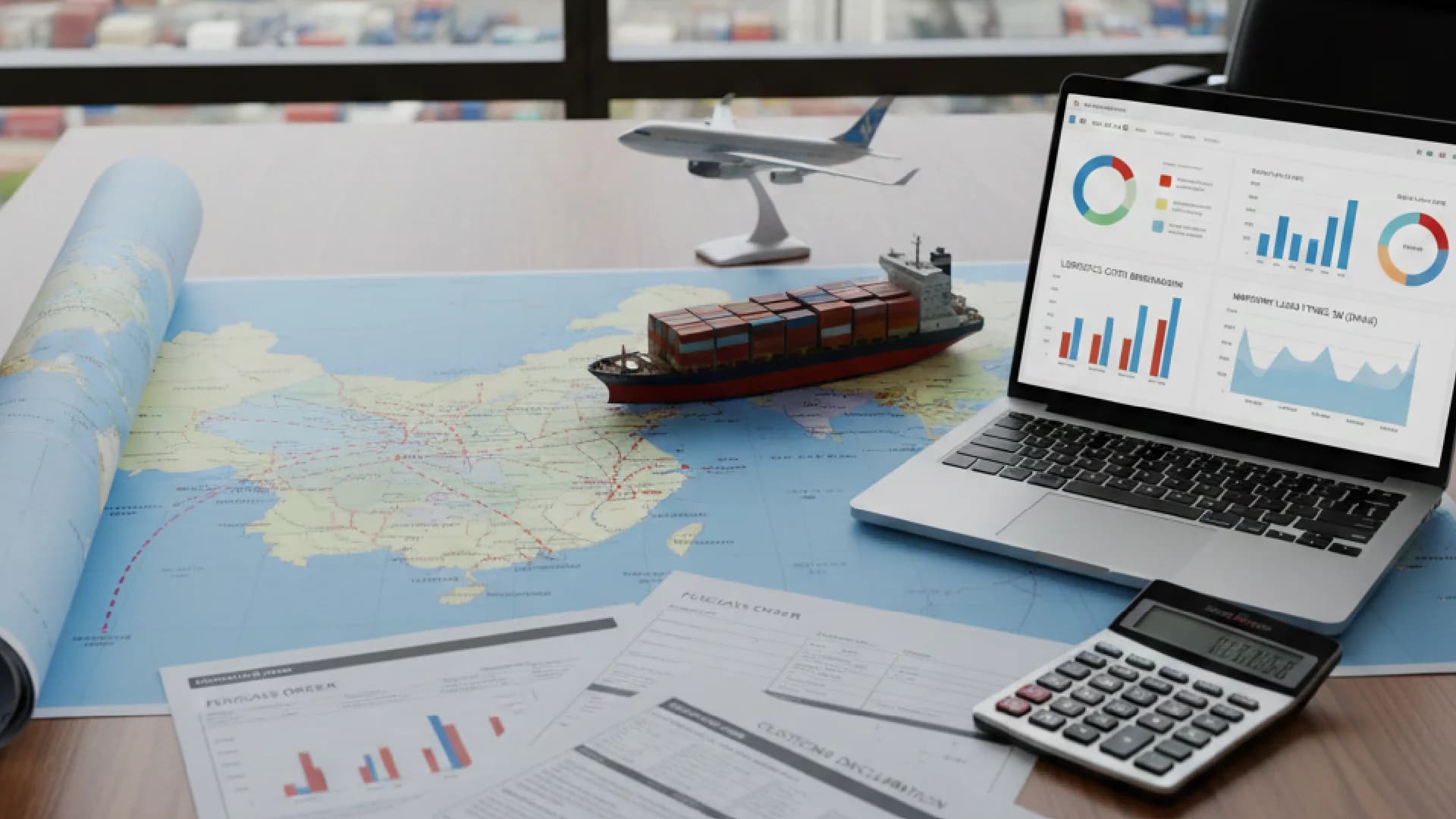
Importing from China to Latin America requires 8 steps: define product specifications clearly, verify suppliers, request professional quotes, implement quality control at 3 stages, manage logistics, comply with customs, calculate landed cost, and build long-term supplier relationships.
Importing from China remains one of the strongest competitive advantages for businesses in Latin America.
Whether you're a retailer, distributor or entrepreneur, mastering the end-to-end journey—from supplier search to customs clearance—is essential to building a sustainable operation.
This updated 2025 guide walks you through every stage of the process in a simple, structured way.
1. Understanding the LATAM–China Import Landscape
Latin America depends heavily on Asian manufacturing for:
- competitive pricing,
- high-volume production,
- wide product categories (home, hardware, lighting, appliances, textiles).
Countries like Guatemala, El Salvador, Honduras, Costa Rica and Panama have growing retail sectors that rely on consistent imports.
But success requires mastering:
- documentation,
- supplier reliability,
- quality control,
- logistics timing,
- customs rules.
2. Step 1 — Define Your Product Clearly
Before contacting factories, clarify:
- exact product specifications
- materials and components
- packaging format
- target price
- certifications (if electrical, food-contact, or chemical)
A clear specification sheet reduces misunderstandings and improves quotation accuracy.
3. Step 2 — Find and Verify Suppliers
Recommended platforms:
- Alibaba
- 1688 (factory ecosystem, Mandarin only)
- Global Sources
- Trade shows like the Canton Fair
Verification checklist:
-
business license
-
export experience
-
factory audit or report
-
product test history
-
ability to do OEM/ODM
Never skip the sample stage—it is your first real layer of quality control.
4. Step 3 — Request and Compare Quotes Professionally
When comparing quotes:
- confirm the Incoterm (FOB, CIF, EXW)
- check MOQ
- review packaging
- confirm lead time (production time vs factory promise)
- ask for warranty terms
A cheaper quote with poor logistics options often ends up costing more.
5. Step 4 — Quality Control: Your Best Insurance
QC should happen at three stages:
- Pre-production: verify materials and samples
- During production: ensure stability
- Final inspection: check packaging, labels, safety and quantity
Consider using third-party QC agencies for high-risk categories.
6. Step 5 — Logistics: Sea, Air or Courier?
Most LATAM importers choose:
- FCL for full containers (best cost per unit)
- LCL for small orders
- Air freight for urgent or high-value products
Sea freight remains the most economical for the region.
💡 Pro Tip: Use our free CBM Calculator to estimate your container utilization and compare 20ft vs 40ft options before requesting freight quotes.
Logistics partners must handle:
- booking,
- loading supervision,
- documentation (BL, Packing List, Commercial Invoice),
- customs coordination.
7. Step 6 — Customs and Duties in Latin America
LATAM countries typically apply taxes based on:
CIF value = Product cost + Freight + Insurance
From that value, customs calculates:
-
import duty based on HS Code
-
VAT or sales tax
-
local port fees
Small details—incorrect description, wrong HS Code, missing certificate—can cause delays.
Reference for HS Code structure:
WCO Harmonized System Database
8. Step 7 — Calculate Landed Cost Before You Buy
To avoid surprises, estimate:
- production cost
- logistics cost
- customs duty
- VAT
- brokerage fees
- inland delivery
- inventory cost
This helps ensure the product remains profitable once it reaches your shelves.
9. Step 8 — Build Long-Term Supplier Relationships
Trust and stability matter more than price alone.
Best practices:
- reorder consistently
- share forecasts when possible
- document every agreement
- request minor improvements each cycle
- keep communication simple and clear
Strong relationships lead to better pricing, quality and priority during high-demand seasons.
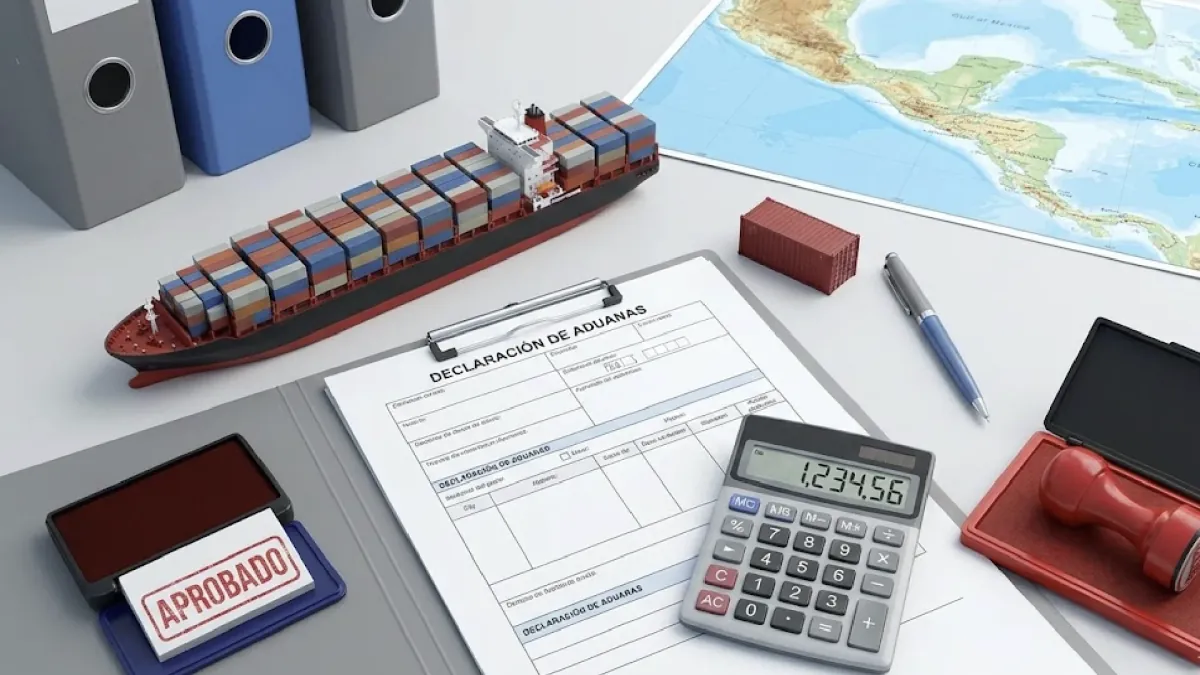
Need help managing your next import project?
Avoid risks and get better pricing with our sourcing experts.
Frequently Asked Questions
Quick answers to common questions about this topic
8 key steps: define product specifications clearly, verify suppliers, request professional quotes, implement 3-stage quality control, manage logistics, comply with customs, calculate landed cost, and build long-term relationships.
Most LATAM importers use FCL (full container) for best cost per unit, LCL for small orders, and air freight only for urgent or high-value products. Sea freight remains most economical.
LATAM countries apply taxes based on CIF value (product cost + freight + insurance). From that, customs calculates import duty based on HS Code plus VAT or sales tax plus local port fees.