

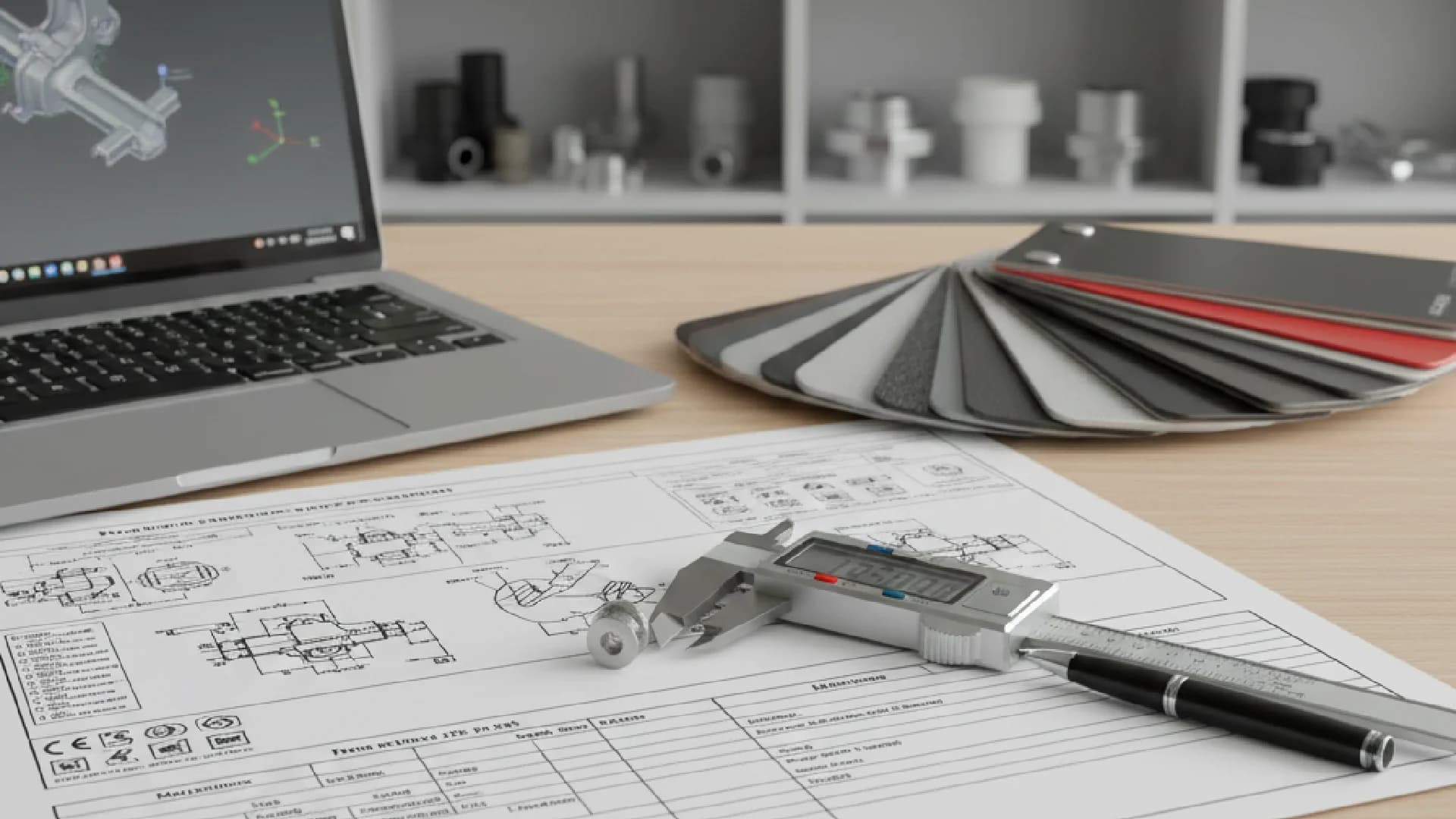
A professional product specification sheet must include: product identification (SKU, version), technical details (dimensions, materials, tolerances), packaging requirements, certifications, quality standards (AQL, golden sample), and detailed photos or drawings.
Most problems in international sourcing begin long before production starts.
They start with unclear product specifications.
A product specification sheet is not “extra paperwork”—it is the contractual backbone of your sourcing operation. It protects your company, guides the factory, defines expectations and eliminates ambiguity.
This guide explains what a proper spec sheet includes, why it matters, and how to build one that actually prevents issues.
Why a Specification Sheet is Essential
Factories in China and across Asia operate at high volume and speed. Without a clear technical document, they will:
- Assume details you never agreed to
- Use cheaper materials if specifications are vague
- Deliver a product that differs from samples
- Apply their own standards instead of yours
A complete specification sheet avoids this by clearly defining what is acceptable and what is not.
What a Professional Specification Sheet Should Include
The structure varies by industry, but a solid spec sheet generally includes:
1. Product Identification
- Model name / SKU
- Version or revision number
- Category and intended use
2. Technical Details
- Dimensions, tolerances and diagrams
- Materials and finishes
- Mechanical or electrical requirements
- Weight, load capacity, pressure rating, etc.
3. Packaging Requirements
- Color box design
- Master carton dimensions
- Barcode placement
- Label information
Poor packaging specifications are one of the most common sources of delays.
4. Certifications & Compliance
Depending on your market:
- CE, FCC, RoHS
- NOM (Mexico)
- INMETRO (Brazil)
- SASO (Saudi Arabia)
Attach test reports when applicable.
5. Quality Standards
- Reference sample (“golden sample”)
- Acceptable Quality Limit (AQL)
- Inspection method (visual, functional, drop test, etc.)
6. Photos & Drawings
Factories rely heavily on visuals. Include:
- Renders
- Engineering drawings
- Annotated photos
How Spec Sheets Reduce Quality Issues
A well-defined spec sheet:
- Aligns expectations between buyer and factory
- Eliminates vague assumptions
- Serves as the comparison point during inspections
- Avoids disputes about “what was agreed”
- Protects your company legally
In other words, it turns subjective conversations into objective criteria.
Common Mistakes You Should Avoid
- Assuming the factory already “knows” what you want
- Using only catalog photos without details
- Not updating the revision number (factories get confused)
- Forgetting packaging specs
- Leaving compliance requirements undefined
Ambiguity is expensive.
Tools That Make Your Spec Sheet Better
- CAD drawings (Fusion, SolidWorks, AutoCAD)
- Measurement tools (digital caliper, micrometer)
- Material catalogs
- Photo annotation tools (Figma, Illustrator)
Platforms like Canva and Figma are excellent for clean, professional layouts.
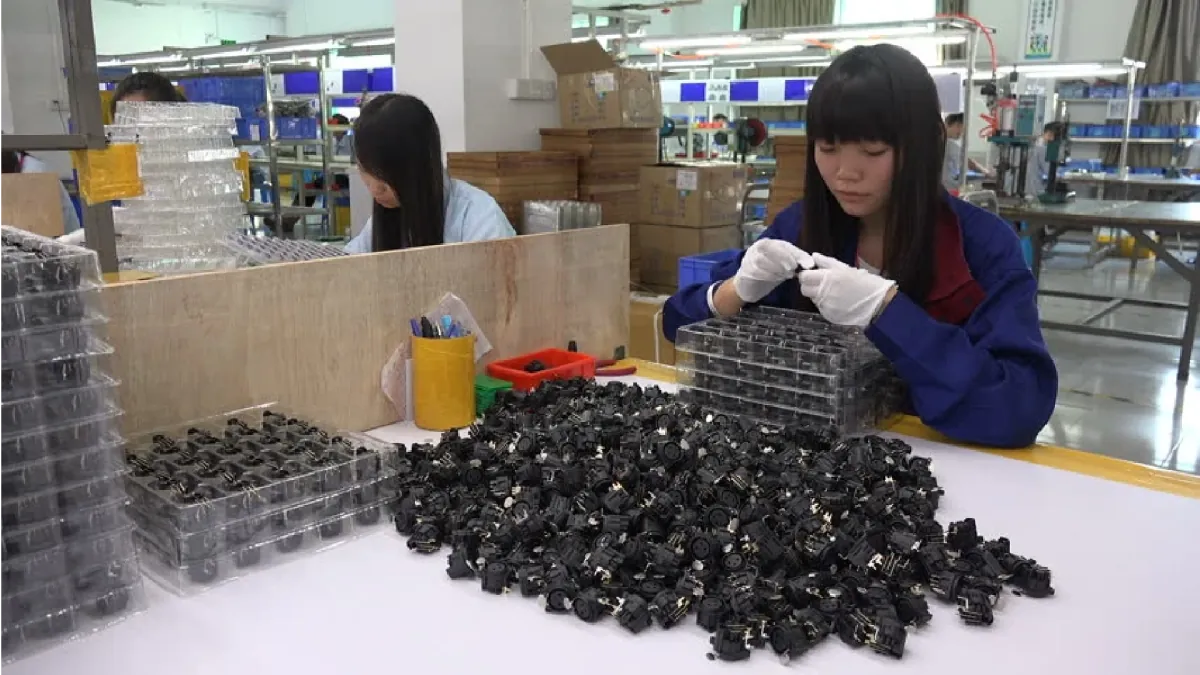
Need help preparing professional spec sheets?
Avoid risks and get better pricing with our sourcing experts.
Frequently Asked Questions
Quick answers to common questions about this topic
A complete spec sheet includes: product identification (SKU, version), technical details (dimensions, materials, tolerances), packaging requirements, certifications, quality standards (AQL, golden sample), and detailed photos or drawings.
Without clear specs, factories assume details, use cheaper materials, or deliver products that differ from samples. A spec sheet defines what is acceptable and eliminates ambiguity.
Common mistakes include: assuming the factory 'knows' what you want, using only catalog photos without details, forgetting packaging specs, leaving compliance requirements undefined, and not updating version numbers.