

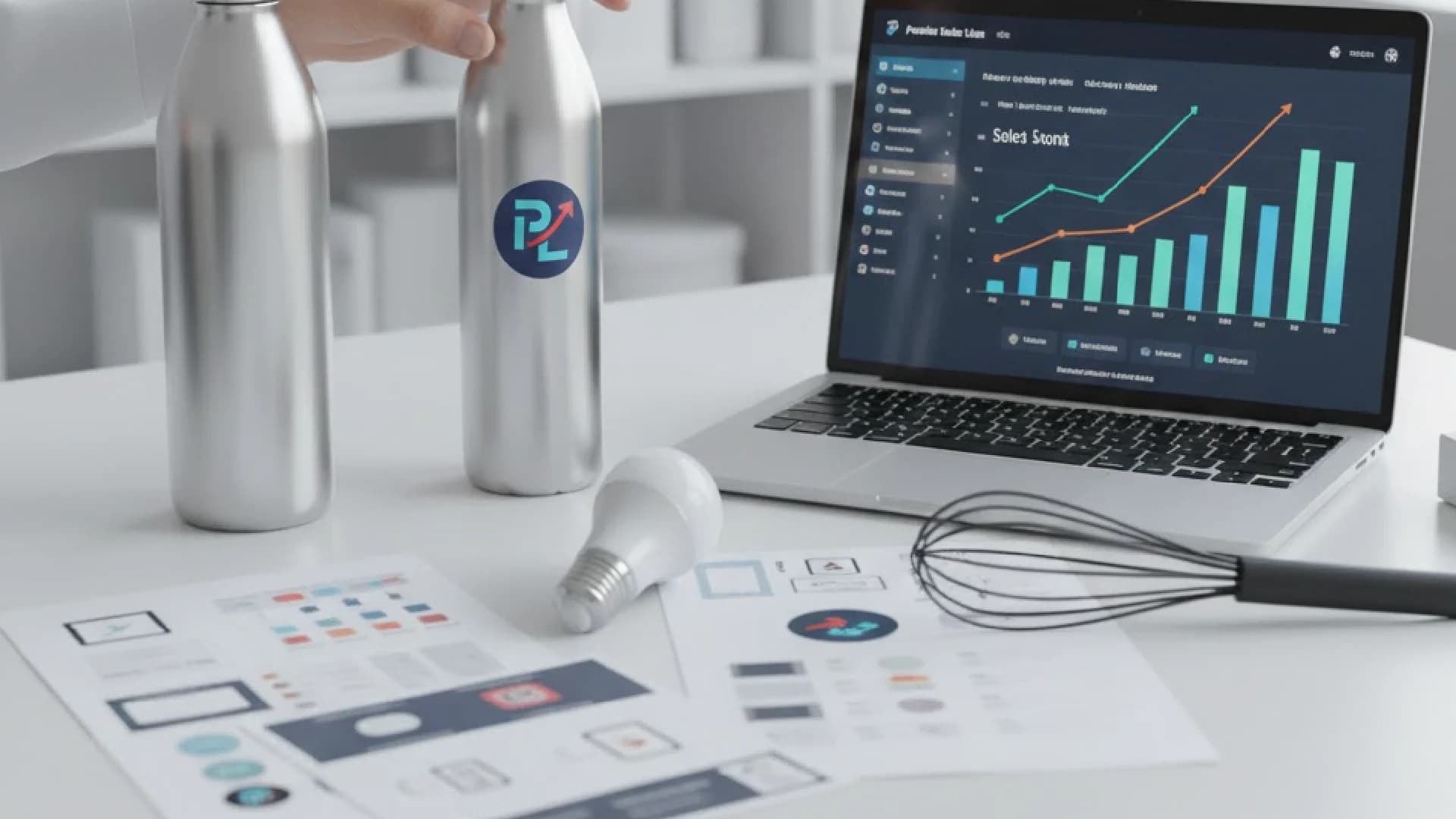
Private label allows retailers to increase margins by eliminating brand premiums, controlling costs from factory, optimizing packaging, and reducing marketing spend. High-potential categories include faucets, LED lighting, RTA furniture, and small appliances.
Private label is no longer a “nice to have”—it has become a strategic engine of profitability for retailers worldwide.
In Latin America, the combination of competitive sourcing from Asia, rising consumer trust, and the growth of modern retail formats has created the perfect environment for store brands to flourish.
In this article, we explore how LATAM retailers can increase margins through private label and implement it with a sustainable, scalable model.
1. Why Private Label Works So Well in LATAM
Retailers across the region—especially in Central America—face:
- strong competition from regional chains,
- rising logistics and import costs,
- pressure to differentiate without increasing price,
- consumers who are increasingly willing to try non-national brands.
Private label addresses all of these challenges by allowing retailers to:
- control quality,
- expand assortments,
- reduce dependency on branded suppliers,
- and improve margin by sourcing directly from Asia.
2. The Profit Margin Advantage
When retailers produce under private label, margins typically increase because:
- there is no brand premium,
- the retailer controls cost from the factory,
- packaging and features can be optimized for rotation,
- marketing spend is lower.
In many categories—kitchenware, bathroom accessories, small appliances, LED lighting—private label can outperform national brands in sales AND profitability.
3. The LATAM Product Categories Most Suitable for Private Label
Examples of high-potential private-label categories:
- Home improvement: faucets, showers, LED lighting, tools
- Kitchen & home organization: containers, utensils, cookware
- Storage & RTA furniture: small desks, shelves, clothing racks
- Lifestyle products: water bottles, small appliances, grooming
These are categories where consumers value functionality over brand prestige.
4. How to Launch a Private Label Program in LATAM
Key steps:
✔ 1. Category selection
Choose categories with:
- high rotation
- stable quality in China
- good landed-cost structure
- minimal certification requirements
✔ 2. Build supplier partnerships
Look for factories with:
- OEM and ODM capabilities
- strong QC structure
- low defect history
✔ 3. Define your brand architecture
Decide whether you need:
- one unified store brand
- multiple sub-brands by category
- tiered pricing brands (good/better/best)
✔ 4. Packaging and design
Packaging influences rotation more than most retailers expect.
✔ 5. Quality control and consistency
As your brand becomes visible, consistency becomes non-negotiable.
5. The Importance of Quality Standards
Private label cannot succeed without a strong quality control program.
This includes:
- inspection at origin,
- packaging drop tests,
- verification of specifications,
- compliance with local regulations.
A strong QC foundation protects your brand reputation from day one.
6. Long-Term Benefits of a Strong Private Label Program
Retailers who invest in private label gain:
- higher gross margins,
- better negotiation power with national brands,
- customer loyalty through unique assortments,
- stronger visual identity in-store.
In LATAM, private label is becoming a competitive advantage, not just a sourcing tactic.
Need help building your private label program?
Avoid risks and get better pricing with our sourcing experts.
Frequently Asked Questions
Quick answers to common questions about this topic
Private label increases margins by eliminating brand premiums, controlling costs from the factory, optimizing packaging for rotation, and reducing marketing spend compared to national brands.
High-potential categories include: home improvement (faucets, LED lighting, tools), kitchen and home organization, RTA furniture, and small appliances—where consumers value functionality over brand prestige.
Category selection based on rotation and landed cost, building supplier partnerships with OEM/ODM capabilities, defining brand architecture, designing quality packaging, and establishing quality control programs.