

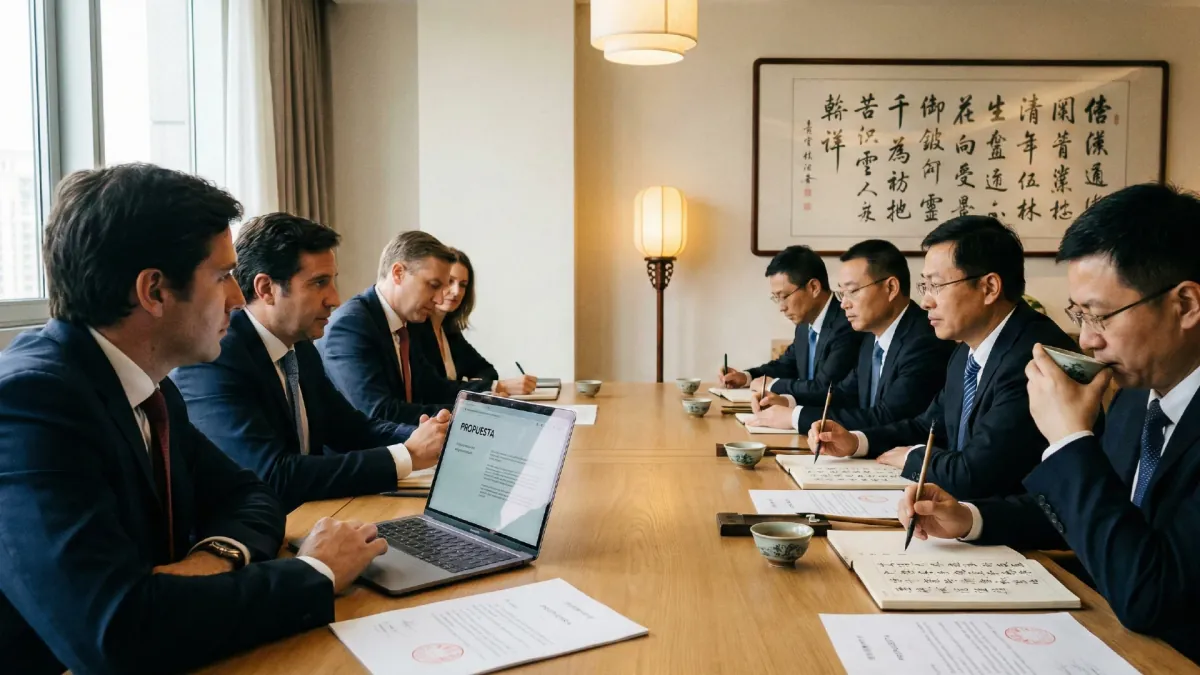
Chinese business culture is built on guanxi (relationships and mutual benefit), indirect communication, hierarchy, and mianzi (saving face). Build trust through consistency and respect, not aggressive price negotiation. Long-term thinking yields better pricing and priority.
Negotiating with Chinese suppliers is not just a transactional process—it is a cultural one.
Understanding how Chinese business culture works can significantly improve your results, reduce misunderstandings and build partnerships that last for years.
Unlike many Western markets, where negotiation is fast and direct, Chinese suppliers prioritize relationship, trust and long-term stability.
This guide breaks down the cultural essentials you need to improve your negotiations.
1. Guanxi: The Foundation of Business Relationships
Guanxi refers to trust, personal connection and mutual benefit.
In Chinese business culture, guanxi matters because:
- It determines who receives better pricing
- It influences production priority
- It increases flexibility when problems occur
- It improves access to senior decision-makers
Guanxi is built through consistency, respect and reliability—not by demanding better prices on day one.
2. Communication Style: Indirect, Contextual and Polite
Chinese communication tends to avoid direct confrontation.
This means:
- “Yes” may mean “I understand”, not “I agree”
- “Maybe” often means “No”
- Silence is not disagreement—it can be respect or reflection
Direct criticism may damage the relationship.
Instead, use constructive language and ask clarifying questions.
3. Hierarchy and Decision-Making
In many factories, decisions are centralized.
You may be dealing with:
- A sales representative with limited authority
- A manager who must check with the owner
- A senior leader who decides based on long-term strategy
Understanding who truly makes decisions helps you negotiate smarter.
4. The Importance of Saving Face (“Mianzi”)
“Mianzi” refers to dignity, reputation and respect.
Avoid:
- Public criticism
- Harsh language
- Direct blame
Instead, give space to correct problems privately.
This preserves trust and often results in faster cooperation.
5. Long-Term Thinking Over Short-Term Gains
Many Western companies negotiate aggressively for the lowest price.
But Chinese suppliers value:
- Stability
- Predictable volume
- Consistent orders
- Mutually beneficial outcomes
When they see long-term potential, they provide:
- Better pricing
- Priority in production
- Customized solutions
6. Practical Tips to Improve Your Negotiations
- Acknowledge cultural differences
- Build rapport before discussing price
- Share your forecast to show commitment
- Be patient with back-and-forth communication
- Follow up in writing with clear summaries
- Visit the factory when possible—face-to-face interaction strengthens guanxi
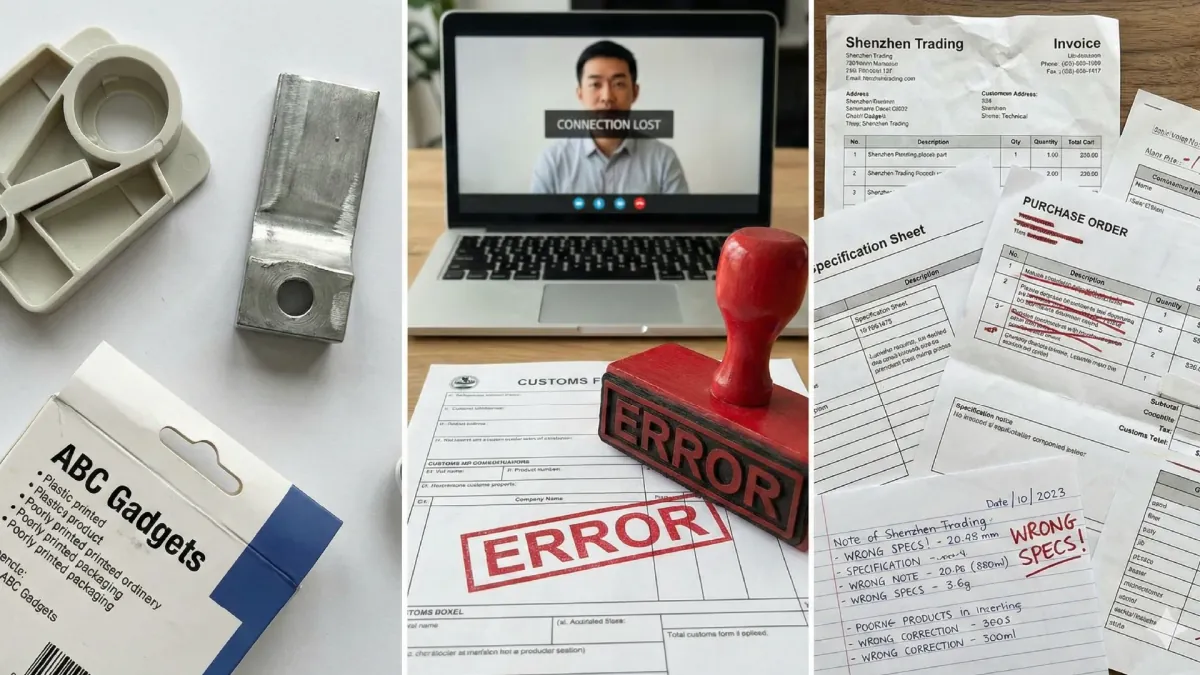
Need support navigating Chinese business culture?
Avoid risks and get better pricing with our sourcing experts.
Frequently Asked Questions
Quick answers to common questions about this topic
Guanxi means trust, personal connection, and mutual benefit. It determines who receives better pricing, production priority, flexibility during problems, and access to senior decision-makers. It's built through consistency and respect.
Chinese communication is indirect and contextual. 'Yes' may mean 'I understand' (not agreement), 'Maybe' often means 'No', and silence can indicate respect. Avoid direct criticism—use constructive language.
Mianzi means face, dignity, and reputation. Avoid public criticism, harsh language, or direct blame. Give space to correct problems privately—this preserves trust and often results in faster cooperation.